
Family law in Alberta continues to change, and many Calgary families are trying to understand how these updates may affect their lives. Whether someone is dealing with separation, divorce, parenting arrangements, child support, or property division, even small legal changes can have a direct impact on important personal decisions.
In 2026 Alberta family law continues focusing on child welfare, fair financial responsibilities, stronger protections in family violence matters, and more efficient court procedures. While some updates build on previous reforms, they still affect how family disputes are handled across Calgary.
For families already dealing with emotional and financial stress, understanding these changes early can help avoid confusion and costly legal mistakes later.
Greater Focus on the Best Interests of the Child
One of the biggest priorities in Alberta family law continues to be the well-being of children. Courts are placing even stronger attention on creating stable and healthy environments for children during separation or divorce.
Judges now look more closely at factors such as:
- Emotional stability
- Parenting consistency
- School and community connections
- Communication between parents
- Safety and overall well-being
Instead of focusing mainly on parental disagreements, courts are increasingly asking one central question: What arrangement benefits the child most in the long term?
This approach affects parenting decisions, guardianship matters, and even relocation cases.
Parenting Language Continues Replacing Traditional Custody Terms
Many Calgary residents still use terms like “custody” and “access,” but Alberta family law has shifted toward more child-focused language.
Today, legal documents and court proceedings commonly use terms such as:
Parenting Time
Refers to the time a child spends with each parent.
Decision-Making Responsibility
Refers to who makes important decisions about education, healthcare, religion, and other major aspects of the child’s life.
Parenting Arrangements
Describes the overall structure of parenting responsibilities after separation.
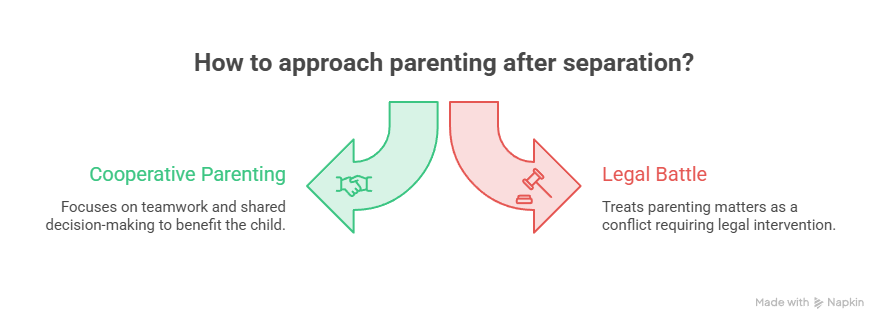
This change may sound simple, but it reflects a larger shift toward cooperative parenting instead of treating parenting matters like a legal battle.
Family Violence Cases Are Receiving Stronger Attention
Family violence continues to be treated very seriously under Alberta family law.
In 2026, courts are paying closer attention not only to physical abuse but also to:
- Emotional abuse
- Financial control
- Harassment
- Threats and intimidation
- Coercive behavior
These concerns can directly affect parenting arrangements and court decisions.
If a judge believes a child or parent may be at risk, restrictions may be placed on parenting time or communication between parties.
For individuals facing unsafe situations, getting legal advice early is extremely important.
Child Support Enforcement Remains Strict
Child support disputes continue to be one of the most common family law issues in Calgary.
Alberta courts are maintaining strict enforcement measures for unpaid child support obligations. In many cases, enforcement agencies can take action through:
- Wage garnishment
- Tax refund interception
- Suspension of licenses
- Collection through maintenance enforcement programs
Courts are also continuing to emphasize financial transparency. Both parties are expected to provide accurate income information during support calculations.
Failing to disclose proper financial details can create serious legal consequences.
More Family Court Processes Are Becoming Digital
Family court procedures have become more technology-driven over the past few years, and that trend continues in 2026.
Many Calgary residents now experience:
- Online document filing
- Virtual hearings
- Remote case conferences
- Digital communication with courts
These changes are intended to improve efficiency and reduce delays.
While digital systems make certain processes faster, they can also feel overwhelming for people unfamiliar with legal procedures. Missing deadlines or filing incorrect documents can still create problems.
This is one reason many people continue working with family lawyers during legal proceedings.
Alternative Dispute Resolution Is Being Encouraged
Alberta courts continue encouraging families to resolve disputes outside the courtroom whenever possible.
Methods such as mediation and collaborative family law are becoming more common because they often reduce stress and legal costs.
Mediation
A neutral third party helps both sides negotiate solutions.
Collaborative Family Law
Both parties work with lawyers to reach agreements without going to court.
Settlement Discussions
Parties attempt to resolve disputes before trial becomes necessary.
These approaches can be especially helpful for parents who will continue co-parenting after separation.
Property Division Continues to Create Disputes
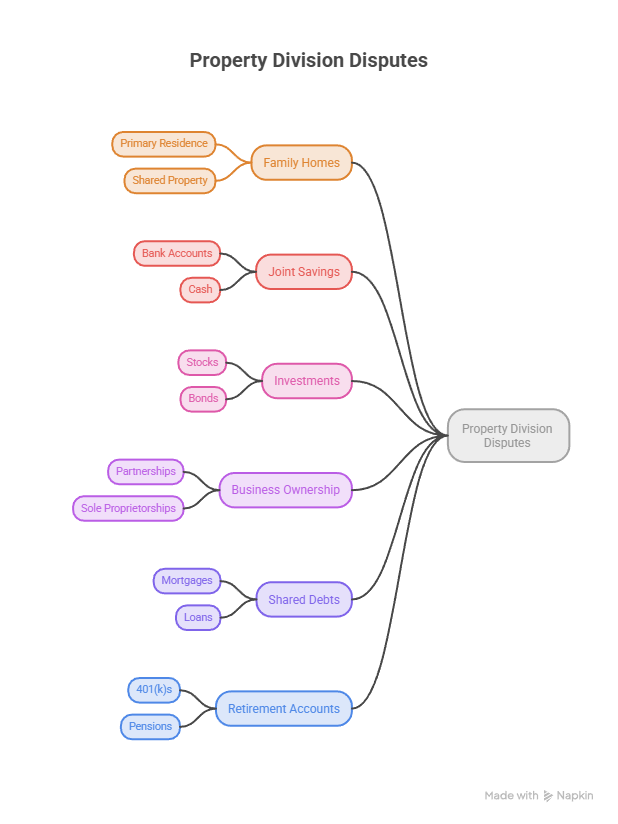
Property division remains one of the most stressful parts of separation and divorce.
Disagreements often involve:
- Family homes
- Joint savings
- Investments
- Business ownership
- Shared debts
- Retirement accounts
Alberta courts continue focusing on fair division while considering the unique circumstances of each case.
Financial disclosure remains extremely important. Courts expect both parties to provide honest and complete information about assets and liabilities.
Hiding financial information can seriously damage a case.
Common-Law Relationships Continue Carrying Legal Responsibilities
Many couples in Calgary live together for years without formally getting married. However, under Alberta law, common-law relationships can still create legal obligations.
Adult interdependent partners may have rights related to:
- Property division
- Financial support
- Estate matters
As common-law relationship disputes continue increasing, more people are realizing they may still have legal responsibilities even without marriage.
This is why legal guidance becomes important during long-term relationship breakdowns.
Relocation Cases Are Becoming More Complex
Relocation disputes are becoming more common in Alberta family law matters.
These situations happen when one parent wants to move with the child to another city or province.
Courts carefully examine factors such as:
- The child’s stability
- Educational needs
- Emotional impact
- Existing parenting relationships
- Reasons for the move
These cases can become emotionally difficult because they directly affect parenting time and long-term family relationships.
Mental Health Is Playing a Bigger Role in Family Law Matters
Family courts are increasingly considering mental health when making parenting decisions.
This does not mean someone automatically loses parenting rights because of mental health concerns. Instead, courts focus on whether the situation affects parenting ability or child well-being.
Judges may consider:
- Emotional stability
- Ability to communicate with the other parent
- Compliance with treatment plans
- Impact on children
The overall goal remains creating a safe and stable environment for the child.
Why Legal Guidance Matters More Than Ever
Family law issues are rarely straightforward. Every family situation involves different financial circumstances, parenting dynamics, and emotional challenges.
Many people make the mistake of relying only on online advice or informal guidance from friends and family. Unfortunately, this can lead to misunderstandings and poor decisions.
A family lawyer helps clients:
Understand Their Legal Rights
Laws around parenting, support, and property can be difficult to interpret without professional guidance.
Avoid Costly Mistakes
Small legal errors can create long-term financial and emotional consequences.
Handle Court Procedures Properly
Missing deadlines or submitting incomplete documents may affect the outcome of a case.
Protect Long-Term Interests
Legal advice helps individuals make decisions that support future stability.
Getting legal guidance early often prevents larger problems later.
Final Thoughts
Family law changes in Alberta continue shaping how Calgary families handle parenting, separation, support, and property disputes in 2026. Courts are placing stronger emphasis on child well-being, financial transparency, safety, and cooperative dispute resolution.
For many families, these legal changes may affect important personal and financial decisions. Understanding your rights and responsibilities early can help reduce stress and avoid unnecessary legal complications.
Whether you are dealing with divorce, parenting matters, support disputes, or property division, professional legal guidance can make the process clearer and more manageable.
If you need trusted family law support in Calgary, OB Law Office provides compassionate and client-focused legal representation tailored to your situation. Their team works closely with clients to protect their rights, reduce uncertainty, and help them move forward with confidence.